Medieval London’s Sewage Problem
Medieval London had a sewage problem so severe it occasionally killed people outright — and the surviving records of exactly how Londoners tried (and often failed) to manage their own waste are simultaneously grim and darkly funny.
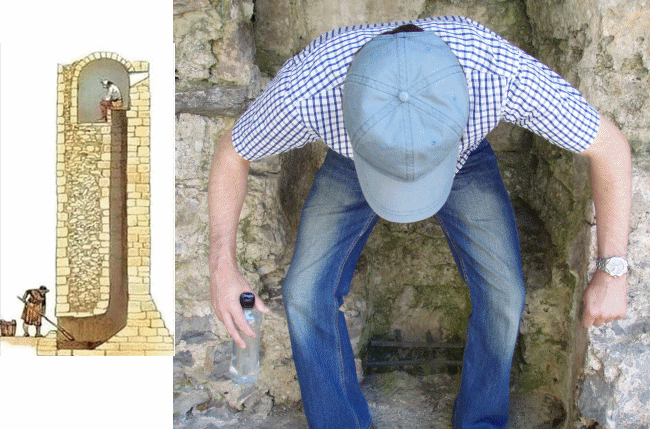
In 1355, the Fleet Prison ditch — designed to run ten feet wide — was found so completely choked with the output of eleven latrines and twelve sewers that water had simply stopped flowing through it altogether. Some enterprising residents, faced with a full cesspool, resorted to piping their household waste directly into an unsuspecting neighbour’s cellar (two men were fined for exactly this in 1347). The most memorably grim case involves a Londoner known to history only as Roger the Raker, whose own backyard cesspit eventually filled to capacity, rotted through the floorboards of his privy above it, and drowned him in his own accumulated waste when he stepped onto the rotten boards.
None of this reflects official indifference, either — London’s authorities were genuinely trying to cope. The city built the Great Conduit by 1285 to supply clean water (its stone fountain house has since been excavated beneath modern Cheapside), employed street cleaners and dedicated “night-soil” collectors, and set up the Assize of Nuisances specifically to settle neighbour disputes over sewage and pollution. Even Edward III personally complained to the authorities about the stench rising off the Thames, warning it would bring disaster if left unaddressed. But the underlying problem — dense population, no coordinated sewage removal, drinking water drawn from the very same rivers used to dispose of waste — was simply beyond what medieval technology and administration could solve. It would take the better part of five more centuries, and a great deal more death, before anyone genuinely fixed it.
Browse all historical mystery titles by M. J. Westerbone at westerbone.com/books.
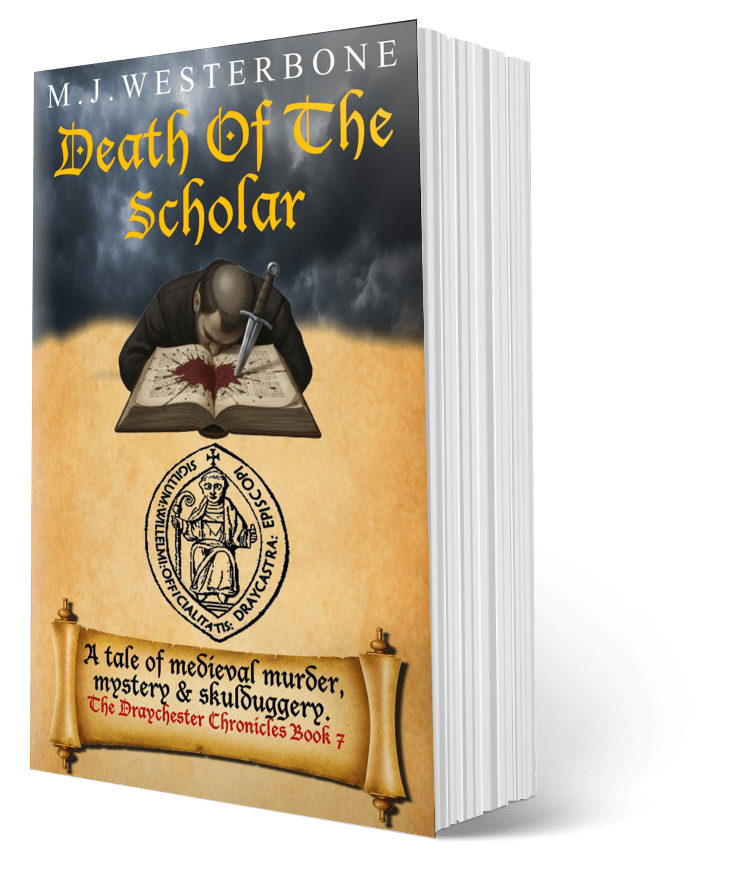





 I first came across Paul Doherty’s books via his Hugh Corbett series, set during the 13th-century reign of Edward I of England. There are now twenty-one books in the series as of 2020’s “Hymn to Murder”. I have loved this series since the first book was published back in the late 1980s. Doherty has written something like 100+ published works under a variety of pen names alongside his real name. The sheer volume and quality of his literary output is quite amazing. The other series of his I’m familiar with is the “Sorrowful Mysteries of Brother Athelstan”, set during the 14th-century reign of Richard II of England. Again a great read. The series will be on book twenty as of December 2020. I highly recommend both series, Doherty is an absolute master of the historical mystery genre.